Skip the Training Wheels: Why a Balance Bike Beats Them Every Time
Disclosure: As an Amazon Associate I earn from qualifying purchases. This page may also contain other affiliate links. If you buy something through a link here, we may earn a commission at no extra cost to you. We only recommend products we've researched and believe are genuinely useful. See our privacy policy for details.
The Short Version
Skip training wheels. Get a balance bike instead.
Your kid will learn to ride a real bike faster, with less falling, and less frustration for everyone.
Our pick is the SEREED Balance Bike. It’s cheap, comes in a bunch of colors, and your kid will outgrow it in about two years anyway. That’s exactly why you shouldn’t spend more than you have to.
Why Balance Bikes Beat Training Wheels
Training wheels teach the wrong skill. They teach a kid to ride on four wheels, not two.
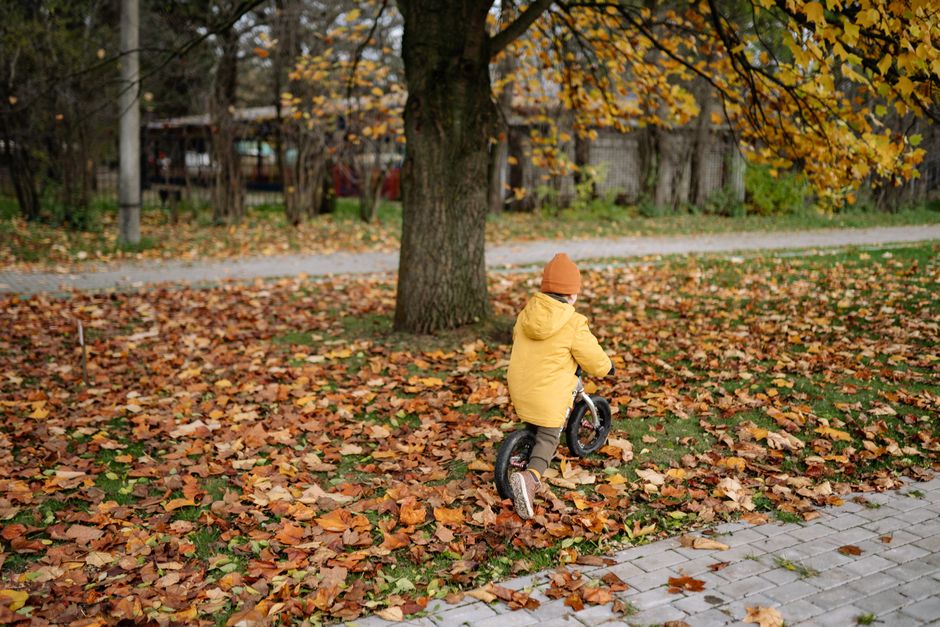
Balance, not pedaling, is the hard part of riding a bike. Balance bikes have no pedals at all. Your kid scoots along with their feet, learns to steady themselves, steer, and coast, and then adds pedaling later as a small extra step.
Kids who start on balance bikes usually skip training wheels completely. They go straight from balance bike to pedal bike, often before age 4. Kids who start on training wheels often struggle when the wheels come off, because they never actually learned to balance. They learned to lean on plastic outriggers.
This isn’t a new theory. It’s why balance bikes have mostly replaced training wheels as the default first step in a lot of pediatric and coaching advice, and why you’ll see them recommended over and over by bike shops and PT-type resources.
Our Pick: SEREED Balance Bike
This is a value pick, full stop. It is not the fanciest balance bike out there, and it doesn’t need to be.

Here’s why it makes sense for most families:
- Inexpensive. It costs a fraction of the premium wooden or brand-name balance bikes.
- Comes in several colors. Easy to match to your kid’s preference without paying more.
- Built for a roughly two-year window. Most kids use a balance bike from about age 2 to 4, then move on to pedals.
- Lightweight enough for small riders. A toddler needs to be able to pick the bike up and move it themselves.
That two-year window is the whole argument for buying cheap here. Your kid isn’t keeping this bike. They’re using it as a stepping stone, then leaving it behind for a real pedal bike. Spending big on a bike with a two-year shelf life doesn’t buy your kid a better learning experience. It just costs more.
For the Money-Conscious
This is the money-conscious pick already. That’s the point.
There’s no meaningful downside to going with a budget balance bike like the SEREED. The learning mechanics are the same no matter the price: no pedals, low seat, feet on the ground, scoot and glide. A $200 bike doesn’t teach balance any faster than a $50 one.
Where premium balance bikes earn their price is in things that matter more to collectors than toddlers: hand-finished wood, resale value, or matching a nursery aesthetic. None of that helps your kid learn to ride.
For the Big Spenders
If you want to spend more, spend it on fit and adjustability, not brand name.
Look for a bike with:
- A seat height range that grows with your kid over the full two years.
- Puncture-proof or foam tires if you’re riding on rough pavement or trails often.
- A footrest, if your kid likes to coast on downhill stretches.
Those features can genuinely extend how long the bike stays useful, or make it more comfortable day to day. A bigger logo does not.
Bottom Line
Buy a balance bike, not training wheels. It’s the step that actually teaches balance, which is the real skill behind riding a bike.
And buy a cheap one. Your kid will use it for about two years, then move on to pedals for good. The SEREED Balance Bike does the job without the markup.